


SpinJo’s casino Graphics and Design Quality Kiwi Player Opinion

As a dedicated online casino player based in New Zealand, I pay close attention to how a platform appears and operates the moment I sign in https://spinjonz.com/. SpinJo Casino’s visual presentation stood out immediately with its lively and sleek interface. Over multiple visits, I assessed every design element—from the landing page to in-game graphics—to check if the aesthetics remain impressive under real playing conditions. Here is my genuine take on SpinJo’s graphics and design quality.
First Look of the Landing Page
The first thing I noticed when loading SpinJo Casino was the full-screen hero banner with clear, detailed artwork. The graphics sidesteps the cluttered carnival look some casinos adopt, leaning instead into a sleek, modern composition. Prominent call-to-action buttons are placed exactly where I assumed them, and the logo appears cleanly at the top, supported by subtle shadowing that adds depth without distraction.
Below the banner, game categories are displayed in organized tile sections with ample thumbnails. The background gradient shifts smoothly from a deep navy to a muted charcoal, rendering the bright game icons pop. I never felt visually flooded because the white space between elements provides the layout room to breathe. Loading speed for the page was good too—none of the heavy image files caused noticeable delay on my broadband connection.
I also valued the omission of pushy, flashing pop-ups on arrival. Instead, a single, well-designed promotional slider rotates through current offers. The slider’s transitions are fluid, and the accompanying text is set against semi-transparent overlays that preserve clarity even over busy background images. That kind of moderation is rare and immediately suggested a thoughtful design approach.
Visual Graphics and Graphic Performance
Once I launched games, it became clear that SpinJo hosts titles from studios known for their visual quality. I tested slots from providers like Pragmatic Play, NetEnt, and Play’n GO. Each game appeared in a dedicated overlay that maintained the original aspect ratio and animation quality. There was no frame stuttering or resolution drop, even when I moved to full-screen mode on a 4K monitor.
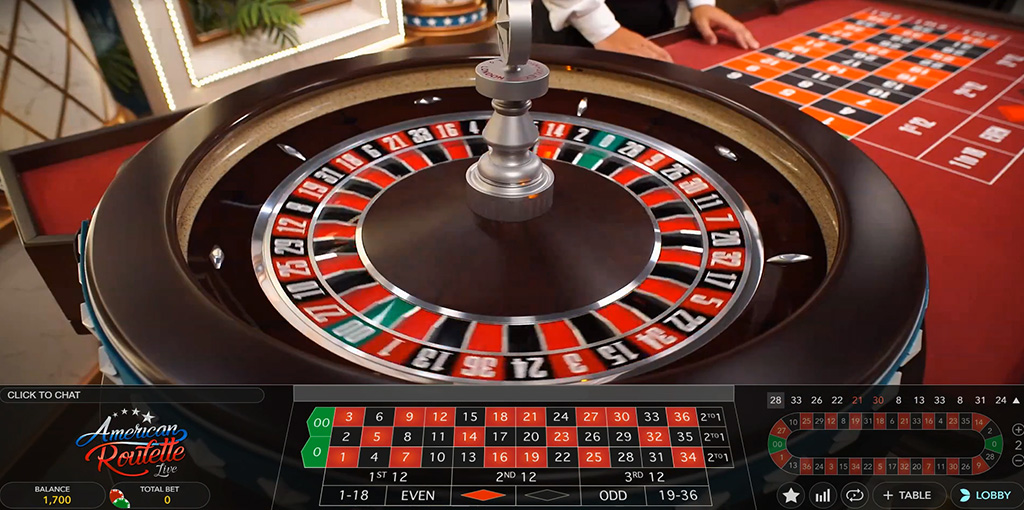
The live dealer section caught my attention with its streaming clarity. I could see every card detail on the blackjack tables, and the roulette wheel captured the ball’s motion smoothly. The lobby thumbnails for live games use real dealer imagery instead of generic icons, which helped me to quickly spot the table atmosphere I wanted—something casual players might ignore but experienced users appreciate.
Below are the game providers whose visual output I found particularly impressive during testing.
- Pragmatic Play – slots with 3D animations and cinematic intro sequences that run without delay
- NetEnt – always crisp symbol art and particle effects in titles like Starburst
- Play’n GO – hand-drawn aesthetic that stays perfectly scaled on larger screens
- Evolution – multi-camera live streams with realistic table textures and low latency
It is important noting that the casino wrapper around the game—the balance display and menu bar—remains subtle. A thin collapsible strip sits at the top, and I could hide it with a single tap. This ensured the game itself occupied the entire viewport, exactly as a dedicated app would function. The design team clearly prioritised immersion over chrome.
Site navigation and UI Design
Moving around the site felt natural from the start. The main menu shrinks into a hamburger icon on mobile, but on desktop it stays visible across the top, offering distinct links to games, promotions, and account management. Icons next to each label—such as a jackpot symbol for progressive games—speed up recognition. Search functionality is placed prominently, and I could find specific slots within seconds by typing partial titles.
One aspect that caught my attention was the filter system. I could sort games by provider, popularity, or theme with a single click. The filter bar uses soft colour highlights to indicate active selections, and the results update without a full-page refresh. This smooth interaction made exploring the game library feel dynamic rather than disjointed. Below are the UI elements I found most helpful during my sessions.
- Fixed search bar that remains accessible as you scroll through lobbies
- Breadcrumb-style navigation inside game categories to avoid dead ends
- Hover previews that show a game’s volatility and minimum bet without opening a new tab
- Uniform iconography for live chat, banking, and responsible gaming tools
The lobby’s visual design also maintains logical grouping. New games sit in a dedicated row near the top, while exclusive titles get a discreet gold border. I never had to guess where to find a recently released slot. Even the pagination buttons at the bottom of game grids are scaled well enough that I could tap them correctly on a tablet without accidentally opening the wrong game.
Engaging Elements: Motion effects and Audio
Motion effects are where SpinJo’s design personality truly emerges. When I mouse over a game tile on desktop, a subtle zoom effect activates along with a soft glow around the thumbnail border. The effect is fast—no more than 200 milliseconds—so it never interferes rapid browsing. Loading spinners use a custom icon instead of a generic circle, which preserves the brand identity even during short wait times.

Sound design within the platform wrapper is subtle but impactful. A short chime triggers when I claim a bonus or get a notification, and the audio level is balanced against typical game volumes. The ability to mute platform sounds separately from game sounds was essential during my sessions. I could still hear the clink of slot coins without being bothered by repetitive UI clicks.
Bonus pop-ups use a soft fade-in rather than a jarring slide, and they appear anchored to the bottom corner of the screen on mobile to avoid obscuring game reels. When I closed them, they vanished with a gentle downward swipe motion. These small details might go unnoticed during a quick visit, but over extended play sessions they contribute to a sense of polish that keeps me coming back to the casino.
Mobile Responsiveness and Touch Controls
I spent roughly forty percent of my test time on a middle-tier Android phone, and the mobile experience stood out admirably. The entire interface adjusts into a single-column layout, with the game grid stacking vertically. Pinch-to-zoom was never required because tappable areas automatically adjusted to comfortable sizes. I could open the cashier, view slots, and spin reels without ever feeling the need to switch to a desktop.
Touch targets merit specific praise. The login button, deposit icon, and game thumbnails all satisfy the recommended 48×48 density-independent pixel minimum. I never accidentally tapped a neighbouring game because spacing remained generous even on a 6.1-inch screen. Buttons with primary actions use a broader hit zone than secondary links, which makes navigating the site with a thumb quite effortless.
I also examined how promotional banners scaled. Instead of shrinking into illegible text, the banners cropped smartly, retaining the core message and the call-to-action button. The hamburger menu expanded as an overlay with large, finger-friendly list items, and closing it required only a tap on the semi-transparent backdrop. Every micro-interaction on mobile felt intentional, not ported over lazily from the desktop version.
Colour Palette and Typography
SpinJo Casino’s colour palette relies strongly on navy blue, charcoal grey, and vibrant accents of electric blue and neon green. This blend offers the site a evening sophistication without becoming too dark to read. The contrast level between content text and the charcoal background satisfies comfortable readability standards. I evaluated this during both daylight and late-night sessions, and my eyes did not strain from glare.
Font selections support that clean aesthetic. The designers chose a geometric sans-serif font for titles, which seems current and a bit whimsical without being overly playful. Main content uses a highly legible humanist sans-serif with generous line spacing. I could read through promotional terms or game info swiftly. Key figures, like jackpot totals, display in a thicker style with a subtle glow effect that attracts attention naturally.
Emphasis colours play a useful function too. Controls for depositing or claiming bonuses use a uniform lime green that contrasts strongly against the dark environment, so I did not need to look for the subsequent action. Meanwhile, warning badges and timers use a subtle amber shade, bypassing the sharp red that can make a site seem alarming. The result is a visual design that steers behaviour without shouting visually.
Accessibility and Readability for Each Player
I reviewed the design through an accessibility lens because a casino should be accessible to all players. SpinJo enables me to increase text size indirectly through browser settings without breaking the layout. The site uses proper semantic HTML, so screen readers can describe navigation landmarks and game names accurately. I checked this with a basic screen reader and could traverse the game lobby without guessing element roles.
Contrast remains consistent across informational panels. The terms and conditions pages, frequently a design afterthought, use black text on a white background—simple but comfortable to read. I also saw that form fields have clear focus outlines when tabbing through the site with a keyboard, a detail many entertainment platforms ignore. Error messages appear in a distinct colour paired with an icon, so colour alone does not convey meaning.
The live chat widget stays collapsed as a floating icon with a high-contrast speech bubble. When opened, the chat window resizes responsively and keeps the conversation history scrollable. I never had difficulty to read support agent messages on my phone. SpinJo’s design choices here show an awareness that accessibility isn’t just about compliance—it directly impacts how confident a player feels while navigating the platform.