


Osudové Názory Surrounding 20p Roulette Game v Anglické Společnosti
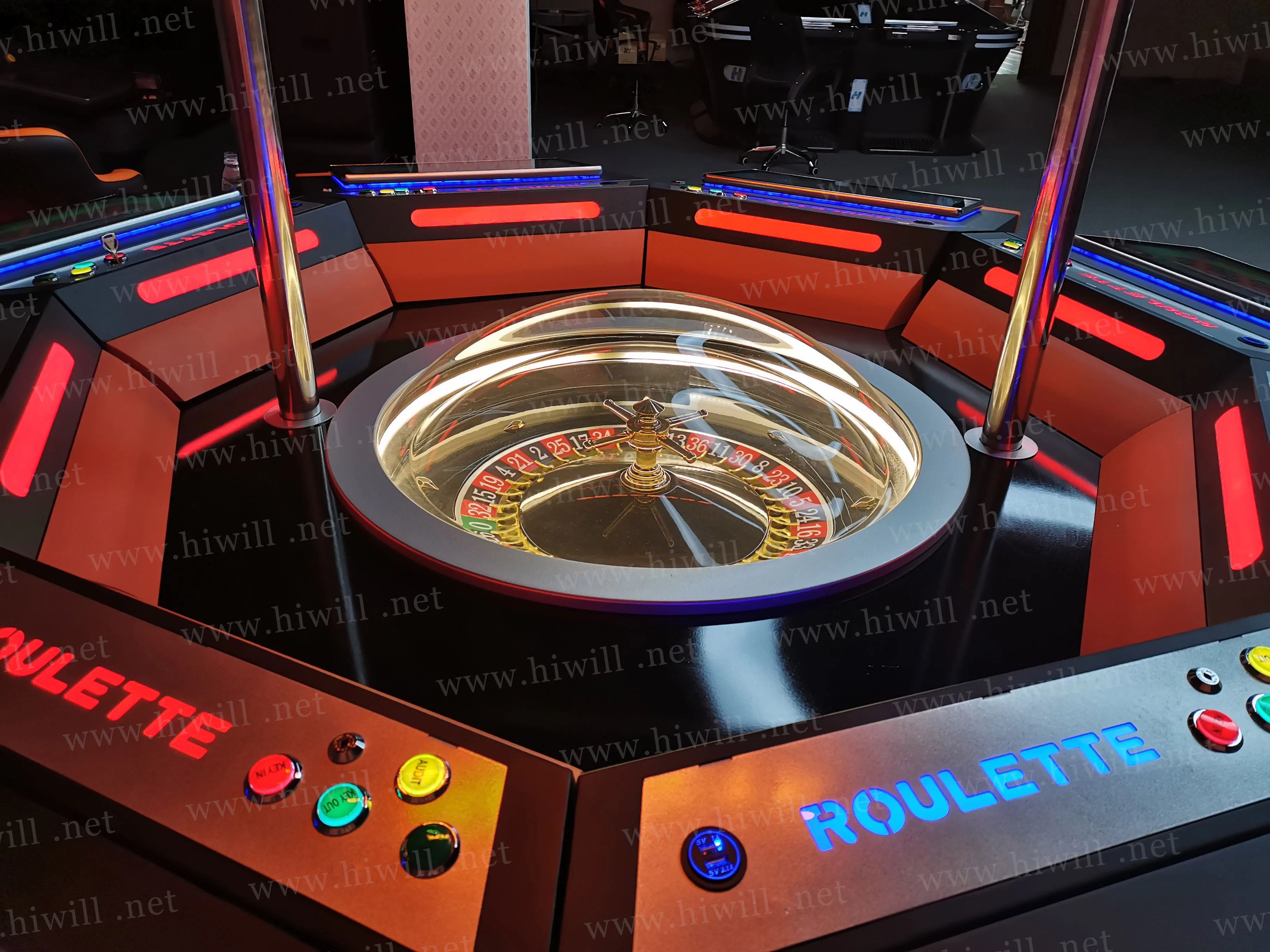
Kulturní svět kolem 20p roulette Game holds a quiet fascination, obzvláště karmická přesvědčení zabudované do způsobu hry. To přesahuje rotujícího kola. Stává se duševní tanec kde osud, štěstí, i energie hráče se zdánlivě setkávají. Lidé přinášejí their own rich superstitions to the terminal, vytvářejíce příběh that turns prostou hru v obřad o vesmírné harmonii.
Myšlenka kosmického dluhu a kreditu
Plenty of běžných hráčů pracuje na a principle of vesmírného bankovnictví. Cítí šňůru neštěstí builds up “karmic credit”, which must eventually lead ve výhru. Na druhou stranu, velká výhra by mohlo být považováno as taking out a “debt” with fortune, making them play more carefully. Tato víra utváří osobní registr. Každé 20p zatočení představuje a transaction s kasinem, a také with the universe.
Superstitious Behaviours Pre-Spin
The actions players take before the ball drops is full of intention. Players often display someone tap the display in a specific sequence, speak softly, or wait for a specific “lucky feeling”. These acts aren’t random. They are deliberate tries to synchronise personal vibes with the outcome. It’s a way to push karma, to shift the odds through a deliberate practice.
The “Hot” and “Cold” Machine Phenomenon
A strong belief centres on the mood of individual terminals. A “hot” machine is believed to be in a generous karmic cycle. A “cold” one appears energetically drained. Users commonly leave from a machine after a few losses, sure it harbours misfortune for them. They seek out units where a player hit a jackpot, trying to snatch the remainder of that good karma.
Group Karma
A kind of shared energy pops up in venues. When one person wins, others nearby might quickly make their own bet. They think the good fortune lingers, ready to be shared. A table seen as collectively unlucky gets avoided. This forms a temporary community tied together by a belief in contagious luck, where one player’s karma briefly becomes everyone’s chance.
The Role of Personal Charms and Talismans
Using physical objects to pull in positive karma is really common. It might be a lucky coin or a particular ring. These talismans carry deep personal meaning. Players touch them or glance at them during play, using them as anchors to channel good intent. They work as psychological tools, making the vague idea of karma something solid and somewhat manageable.
Story of “Testing” Fate
Certain players get into karmic testing. They could start with a minuscule bet, like the 20p stake, just to “see how the universe feels today.” https://www.bbc.com/news/topics/c7rmrr2gyz5t A loss signals a sign to be careful or explore a new approach. A win serves as a green light. This transforms the game a conversation with fate. Each spin poses a question, and the outcome gives the universe’s reply.
Guilt and Reward Moral Framing
An interesting moral layer exists here. Players sometimes view a potential win as a “reward” for recent hard times or a good deed. Losses might be explained away as karma for some small guilt or mistake. This personal moral accounting builds a story around randomness. It renders financial results feel meaningful and even deserved within their own life.
The Clean Slate Belief Following a Loss
After a big loss, a compelling thought about a karmic reset frequently takes hold. The thinking goes that fortune has to balance out. So a major loss “clears the debt” and makes a victory feel right around the corner. This idea keeps players engaged. It changes disappointment into optimistic expectation. It reframes a bad outcome as a necessary step toward a positive one.
Digital Platform and Spiritual Link
Even with a digital game, players seek a spiritual connection. The tap on the screen, the view of the spinning wheel, the noises all become components of the karmic ceremony. The digital format doesn’t weaken these beliefs. It modernizes them. The medium becomes a pathway for intention, a modern medium for that timeless human longing to affect chance.
FAQ
What exactly are karma beliefs in 20p Roulette?
They are individual superstitions where players believe their actions, energy, or moral standing can influence the game’s random result. It’s a psychological framework that brings narrative to randomness. A simple spin becomes a test of fortune or celestial equilibrium, and it’s strongly ingrained in the playing culture.
Can these beliefs actually impact the game’s outcome?
No. The game uses a Random Number Generator, making every spin separate and unpredictable. But these beliefs deeply shape player psychology. They alter how people bet, which machine they pick, and how long they play. They establish a personal sense of control within a system of pure chance.
What makes the 20p stake important for these beliefs?
The low stake reduces the financial risk. That lets superstition flourish without serious consequence. It turns the game perfect for testing luck or doing karmic rituals frequently. The 20p coin serves as a token for interacting with fortune, not just money. It enables a more playful interaction with fate.
Are these ideas unique to the UK?
Belief in luck and karma is universal. But the specific habits around low-stake roulette terminals create a distinct subculture in UK gambling venues. The social feel of betting shops and how available the game is have helped these shared rituals and superstitions evolve over time.
What do venues handle these player rituals?

Venues generally keep neutral. These behaviours do not influence the game’s fairness. Staff commonly regard them as just part of the customer environment. Some might informally discuss charmed machines, but the official line always stresses the randomness of each result. The core message stays responsible play.
Can taking on these beliefs be harmful?
They provide fun and story, but remember they are fiction. Confusing them for a real strategy can lead to problem play. It’s advisable to see them as cultural folklore, not a system. Responsible gambling means appreciating the ritual while understanding the mathematical reality of random chance.