


Psychological Readiness for Big Bass Crash Game by UK Pros
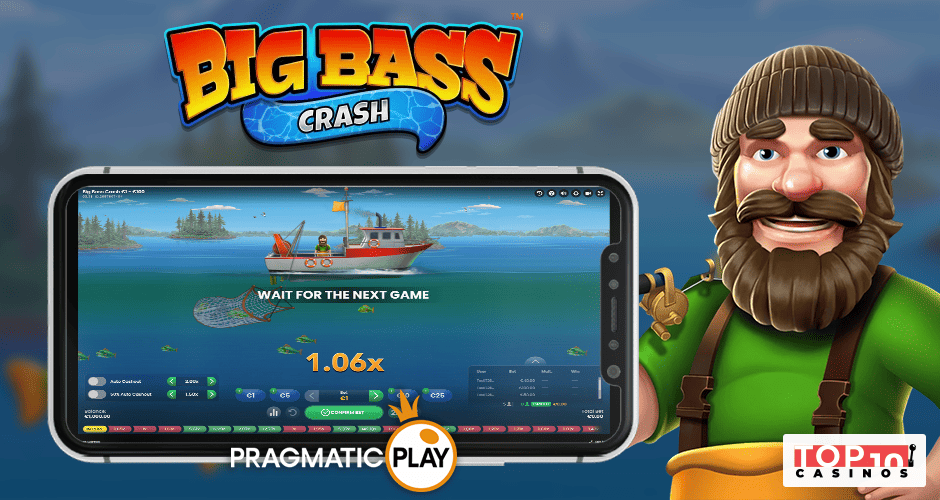

Quick reflexes matter in Big Bass Crash, but watch a top UK player and you’ll see something else https://bigbasscrash.eu/. The main contrast is in their head. The game’s emotional appeal is as intense as its blazing multipliers. The key isn’t just guessing when the multiplier will crash. It’s controlling your own responses to the dramatic shifts. This article breaks down the psychological habits and frameworks these professionals use. They cultivate discipline, navigate risk, and take clear decisions when the pressure is on. We’re looking past the basic button presses to the central attitude that transforms lucky hits into steady, strategic play.
The Science of Volatility and Uncertainty
Big Bass Crash is a experience of managed risk to raw risk. The multiplier rises, the pressure mounts, and the potential reward plays a tempting tune. UK pros don’t see this as a random turn of the wheel. They recognize a sequence of thought-out steps. They handle each round as its own isolated event. The last crash has no influence the next one, a concept called event separation. This attitude eliminates the harmful thought of pursuing losses or believing a crash is “due.” Their setup starts with a harsh, honest truth: the game is random. Once they internalize that, short-term swings have less impact. They start a session already okay with the idea of taking a loss. This sounds backwards, but it frees them up. It lets them think clearly. While amateurs waste energy on frustration or thrill, pros direct that energy into their own risk management. For them, risk becomes a landscape to read, not an adversary to battle.
Embracing the Unknown
A key element of this approach is establishing a clear boundary between what you are able and unable to manage. Pros hold onto two internal lists. One list holds the things they control: their stake, when they click cash-out, how long they play, their feelings. The other list has a single thing: the precise time the multiplier ends. They direct their focus entirely on the controllable items. This lowers tension and the steady toll of decision fatigue. Many work on this through focused mental exercises, visualizing the crash as a random external event, like a coin flip. The goal is to respond with a cool, pre-planned move, not a sudden rush. This isn’t indifference. It’s about creating a shock absorber between the outcome and your own inner stability. When the crash strikes, you aim for a strategic reaction, not an emotional meltdown.
Establishing a Pre-Game Routine
The mental work commences well before the opening bet. UK professionals treat a playing session like a musician approaches a gig. They need a practice to get in the zone. A steady pre-session routine functions as that gateway. It transitions the brain from everyday clutter into a mode of sharp intent. For some players, this involves a brief period of peaceful breathing to settle the nerves and sharpen focus. Others might open a basic text file with their core rules—bankroll caps, loss ceilings, cash-out targets. The practice’s actual job is to create a pause. It establishes a buffer between the desire to bet and the process of playing. In that pause, they establish their goals. These are almost always about process, not results. A solid goal is “I will cash out at 5x every time.” A poor goal is “I must win £50 today.” That cognitive anchor becomes a anchor later when the play gets rough, a stable point to come back to.
After-Session Analysis and Review
For these players, the mental work isn’t over when they exit the game. A structured post-session review is where long-term tracxn.com progress is made. They take a few minutes to evaluate their performance against their process goals, not their profit or loss. They ask simple questions. Did I hold to my cash-out points? Did I obey my bankroll rules? Did I spot my tilt and handle it? They might scribble a line or two in a notebook. The point is to distinguish the quality of their decisions from the randomness of the result. A losing session where they followed every rule goes down as a win for discipline. A profitable session where they broke their own strategy gets marked as a loss. This habit bolsters the right mental model. It trains their self-assessment to focus on controllable actions, building a mindset geared toward refining their process, over and over.
Bankroll Management as a Mentální Kázeň
Lidé mluví o bankroll management jako by šlo o jen matematiku. Pro profíka, it’s psychologickou ochranu. Je to místo, kde their risk theory potkává praxi. Britští hráči we see define session bankroll jako peníze they are fully prepared to say goodbye to. Izolují ho from their living expenses, jak v peněžence i v mysli. Opravdová kázeň shows in the stubborn commitment k sázení v jednotkách—where every wager je malý, pevný díl z celkové částky—and to strict stop-loss limits. Tito profíci nevidí these rules jako okovy. They see them jako svobodu. Zásady zjednodušují ten nejtěžší úkol: knowing when to stop. Při sérii proher, the brain screams přitlačit and chase the loss. Jejich připravenost zahrnuje předběžný závazek. Stanovují limity when they’re calm, takže když je pod tlakem, volba je již hotová. Toto mění bankroll management z nudného výpočtu v ostré cvičení v ovládání emocí.
Focus and Concentration Techniques
Big Bass Crash is fast and repetitive. Attention can wander, and that’s when mistakes happen. Pros use concrete methods to keep their focus sharp. A well-known one is interval play. They’ll play a fixed number of rounds, say fifty, or stick to a rigid twenty-minute block. Then they take a mandatory break, no exceptions. This combats “autopilot mode,” where reactions slacken and discipline breaks down. While playing, they practice targeted attention. They focus on the game’s visual climb and rising soundtrack, and intentionally tune out distractions like chat boxes or phone pings. Some even use a quiet voice in their head, recounting their actions. “Bet placed. Cash-out set at 7x.” This verbal cue strengthens intentionality. This state of heightened awareness lets them spot their own bad habits in real time, like the urge to data-api.marketindex.com.au let a bet ride too long during a good run, so they can correct it immediately.
Managing Tilt and Emotional Spikes
No one is safe from tilt—that surge of frustration that obscures judgement. The professional advantage isn’t in avoiding it, but in having a protocol for it. Step one is recognition. They’re attuned to their own physical signals: a faster pulse, a tight jaw, the itch to place a hasty bet. The moment they notice it, the response is instant and absolute: a full stop. They get up from the screen. They perform a pre-planned cool-down, maybe a walk around the room, drinking a glass of water, or doing a sudoku puzzle. The key is they don’t compromise. “Just one more round” is off the table. Their mental prep includes embracing tilt. It’s not a failure; it’s a component of the process. By taking the stigma out of the emotional spike, they avoid the secondary frustration of being frustrated. That lets them recover and get back to equilibrium much faster.
Developing Long-Term Stamina
Enduring success in Big Bass Crash is a marathon. The experts recognize that mental resilience is constructed brick by brick, through daily practice of these guidelines. They connect their gaming mindset to their overall lifestyle decisions. Good sleep, decent food, and some physical exercise are not merely healthy; they’re performance support. They also employ deliberate detachment. They have hobbies and friends that have nothing to do with gaming. This preserves their perspective healthy and prevents burnout before it starts. This holistic view secures they have the mental stamina for those high-focus sessions. They see each game not as a standalone drama, but as a single point on a long chart of self-mastery. That long view eases the blow of a sudden crash and tempers the thrill of a big win. This perspective is the final, and strongest, mental buffer. It reshapes the game from a rollercoaster of tense moments into a sustainable practice of disciplined choices.
The strategic benefit in Big Bass Crash, as shown by top UK players, is won in the mind. It’s developed through deliberate routines, a stubborn loyalty to personal rules, and a systematic way of handling emotions. By zeroing in on what they can control—the pre-session ritual, the bankroll discipline, the focused play, the honest review—players can navigate the game’s inherent chaos with clarity and grit. This mindset changes the game. It transitions play from reactive betting to proactive strategy. The main adversary isn’t the random number generator. It’s your own built-in biases and knee-jerk impulses. Implementing this framework is the deepest, most effective preparation a player can ever do.